Baseline AI was never intended to be a public platform. It started with my daughter, Isabella.
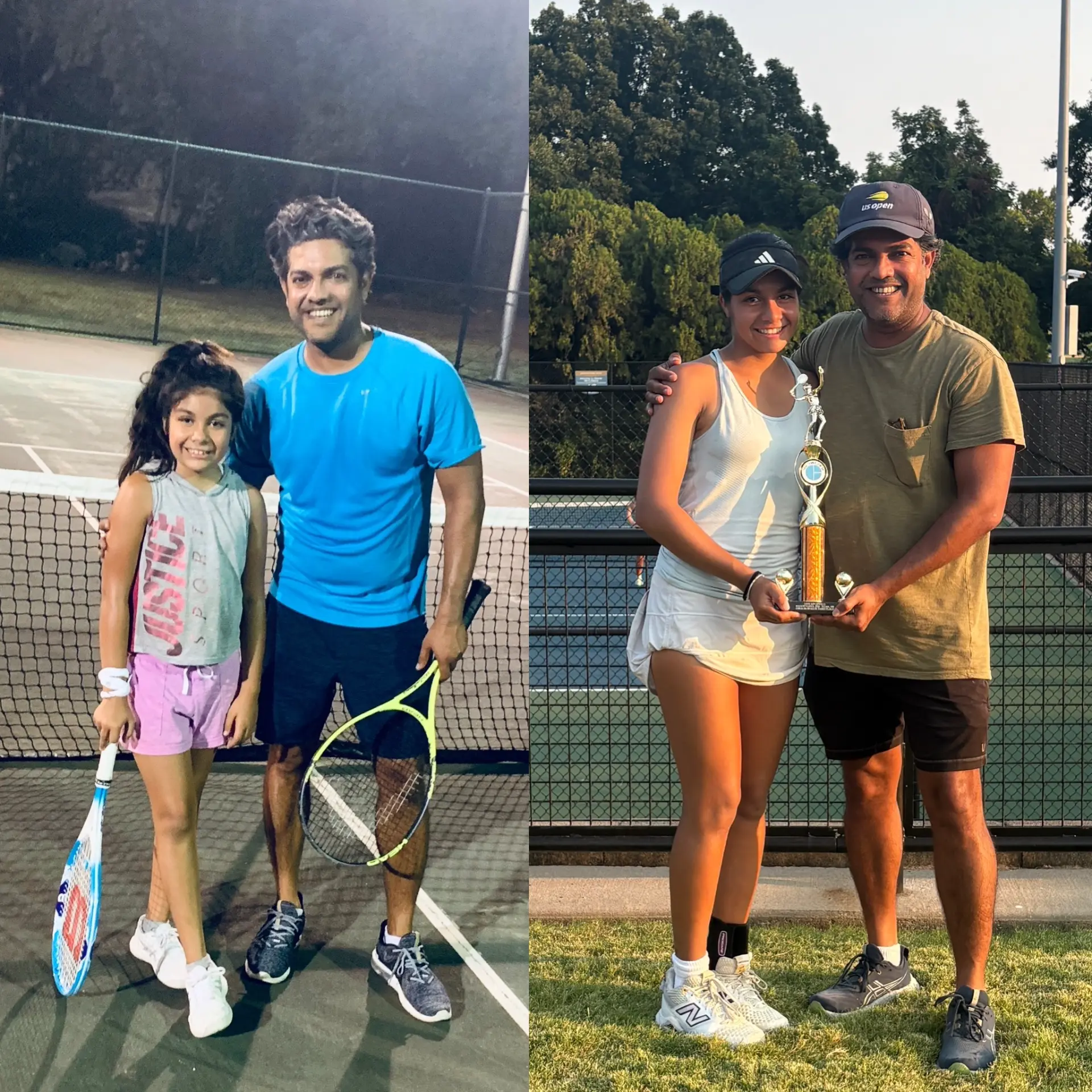
Long before she reached the college recruiting stage, I had an idea.
I've spent much of my career in marketing and technology, where I've learned that relationships aren't built with one single email. They develop over time through consistent communication, follow-ups and staying connected.
I kept wondering: why should college recruiting be any different?
A player shouldn't introduce herself to a coach when she suddenly needs something. What if she started earlier and built that relationship over time?
So I gave myself a challenge: when Isabella reached recruiting age, I would take some of the same ideas I'd used professionally — like Customer Relationship Management (CRM), sales outreach, email sequencing, AI signals and AI automation — and build a college recruiting system for her.
That was the beginning of Baseline AI.
Then I just kept building.
My self-imposed deadline was June 15, when NCAA official recruiting communication could begin after her sophomore year.
I started with schools and coaches. Then came rosters, outreach and email sequences.
As we started using my platform, more questions came up.
Where does she fit today? Where could she fit two years from now? What does a school's roster look like? Where do they recruit from? Which tournaments are worth playing? What should she be working on every day to become the player those schools are looking for? And more importantly — how can we become the player we want to become?
How do we tell the story of the player she's becoming, not just the player she is today?
Ratings and rankings are snapshots. Coaches are recruiting a player who may not arrive on campus for another two years.
As a parent, I cared about that trajectory. So I started building that into Baseline too.
Then I showed it to her coach.
During the L1 Clay Courts, I showed Baseline AI to Isabella's coach, Dave Licker, Director at Lakes Tennis Academy in Frisco, TX.
I wasn't pitching him anything. I wanted him to see what I was doing off-the-court while he and his team were helping her develop on-the-court.
He loved what he saw and encouraged me to make it available to other players and families navigating the college recruiting process — as this will help them a lot.
That conversation changed how I looked at what I'd built.
And so I gave Baseline AI to a few other players at the academy and started listening to their feedback.
And slowly, the evening project I'd built for one player started becoming something I thought might help a lot more of them.
That's why Baseline is here.
I don't believe Baseline replaces coaches, recruiting services, UTR, Tennis Recruiting Network, Match Tennis or the other organizations that support junior tennis. It was built to work alongside them — as they all are an integral part of the ecosystem.
Baseline's job is different.
It's to help families Discover, Develop and Recruit. It is to understand their options, think about where their player is going rather than only where they are today, and build genuine relationships with college coaches over time.
Because one of the biggest things I've learned through this process so far is:
Don't wait for recruiting to happen to you. Be proactive.
Start learning. Start exploring. Start building relationships. College coaches are looking for the right players just as much as players are looking for the right programs.
Help them find you.
— Bob Tripathi
Dad to a junior tennis player. Founder, Baseline & TheVibeMarketing.ai
Connect with me on LinkedIn